Laman ini menggunakan cookies untuk memastikan Anda mendapatkan pengalaman terbaik. Informasi lebih lanjut perihal informasi yang dikumpulkan dan digunakan silakan lihat Kebijakan Cookie dan Kebijakan Privasi
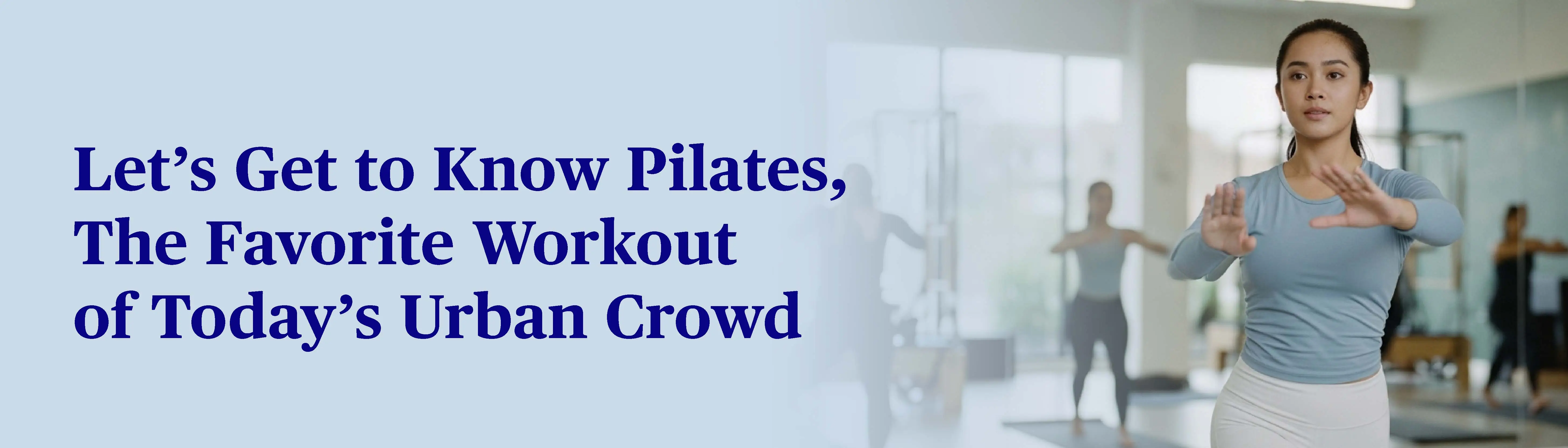
To stay physically fit and mentally healthy, there are many things you can do. One of the options is physical exercise, which takes various forms. Specifically, let's explore Pilates, a popular workout among urban communities that trains multiple muscle groups simultaneously.
Unlike sports that rely on muscle explosive power and agility, Pilates is categorized as a low-impact exercise. This means it doesn't involve quick, agile, or responsive movements but instead focuses on endurance, strength, and flexibility training.
Developed in Germany in the early 20th century, this exercise was created by Joseph Pilates to help rehabilitate soldiers suffering from injuries and to improve their physical condition after World War I. Over time, this practice spread worldwide and has become popular among many people.
Read Also: Getting to Know Padel Sports, from History to Its Rules of Play
Getting to Know Pilates, a Contrology Exercise with Assistance Tools
This exercise was developed to restore muscle strength and function using simple tools resembling springs from beds, called Contrology.
After the war, Joseph brought his method to the United States, where it was adopted by athletes and dancers to strengthen important muscles and improve their competitiveness in their fields.
Pilates can be described as a workout providing an optimal balance of flexibility, strength, muscle tone, and active efforts to relieve pain and discomfort. The exercises can also be tailored to individual needs, maximizing benefits for practitioners.
4 Basic Principles of Pilates
To perform Pilates effectively, one must understand its four fundamental principles: concentration, breathing, training focused on the core muscles, and movements that are not rigid.
Types of Pilates Exercises, Adjusted to Your Needs
Pilates exercises are divided based on methods and tools used, categorized into five types:
Focuses on posterior pelvic tilt or tilting the hips backward. Other postural preferences involve the head, shoulders, and neck, which are also trained. This type adheres to Joseph Pilates’ original methods and is recommended for reducing chronic neck and back pain.
Focuses on the core muscles and is suitable for those experiencing back pain. It can also train balance and reduce discomfort in the core area.
Uses a reformer machine that looks like a bed frame with springs and ropes. This is more intense than mat Pilates and often performed by experienced individuals. It helps build strength, flexibility, correct posture, and improve body coordination, while also burning calories.
Widely used in injury rehabilitation, with movements tailored to specific injuries and guided by experienced instructors. This type emphasizes neutral pelvic positions and upright postures.
Combines modern sports science principles with spinal rehabilitation, emphasizing warm-up to align the body and relieve pressure on the back and neck.
Read also: Cara Menurunkan Berat Badan dengan Cepat, Harus Konsisten!
Perform Carefully, Be Mindful of Injury Risks
Although it is considered a low-intensity exercise, this does not mean it can be performed without risks. There are still risks that must be acknowledged so you can maintain concentration and perform movements according to the instructions of the instructor present.
Complete with ways to handle injuries promptly or avoid existing risks, the explanations can be found in the two main points below.
Injury Risks in Pilates include:
To avoid injuries or side effects, consider these tips:
Master basic Pilates movements provided by your instructor. Always warm up before starting your session.
Do not immediately perform intense movements; start with light exercises and progress gradually.
Focus your energy on correct movements, not just stretching muscles to feel contraction.
Listen to your body and recognize its signals; do not push beyond your limits and stop when needed.
Performing exercises properly will ensure you gain real benefits. After regular practice, you’ll notice improvements in your posture and body shape, muscles becoming firmer, and maintaining an ideal weight. Properly performed Pilates can also reduce lower back pain.
Read also: Accident Insurance, Safer from Various Threats!
After understanding Pilates, its principles, types, injury risks, and prevention tips, you are now prepared to try this exercise. To further safeguard yourself, consider appropriate insurance, such as the SmartActive Accident Insurance from PT AXA Insurance Indonesia.
This insurance provides coverage for risks related to death, permanent disability, treatment, and medical expenses directly caused by accidents, including injuries during Pilates. AXA’s product is reliable and ready to be your partner in active daily activities. Start your exercise routine now and trust PT AXA Insurance Indonesia for a better future!
Reference: